Over Budget, Over Time: 10 Landmark Builds That Blew Their Estimates
A basilica still rising after more than a century, a hotel nobody has ever checked into, a tunnel that bankrupted its shareholders' patience. Ten famous projects, told in the order they were started.
By the Prime Consumers deskSeptember 20261883 → 2016
Every famous building starts life as a number on a page — a figure small enough to win a vote, a board meeting or a bank loan. What it finishes at is another matter entirely.
The ten projects below are some of the best-known examples of that gap. They span three centuries, four continents and one low Earth orbit. A few went a little over; several went over many times; two are still not finished in the sense their builders intended. We have put them in the order work began, so you can watch the same mistakes reappear in new clothes.
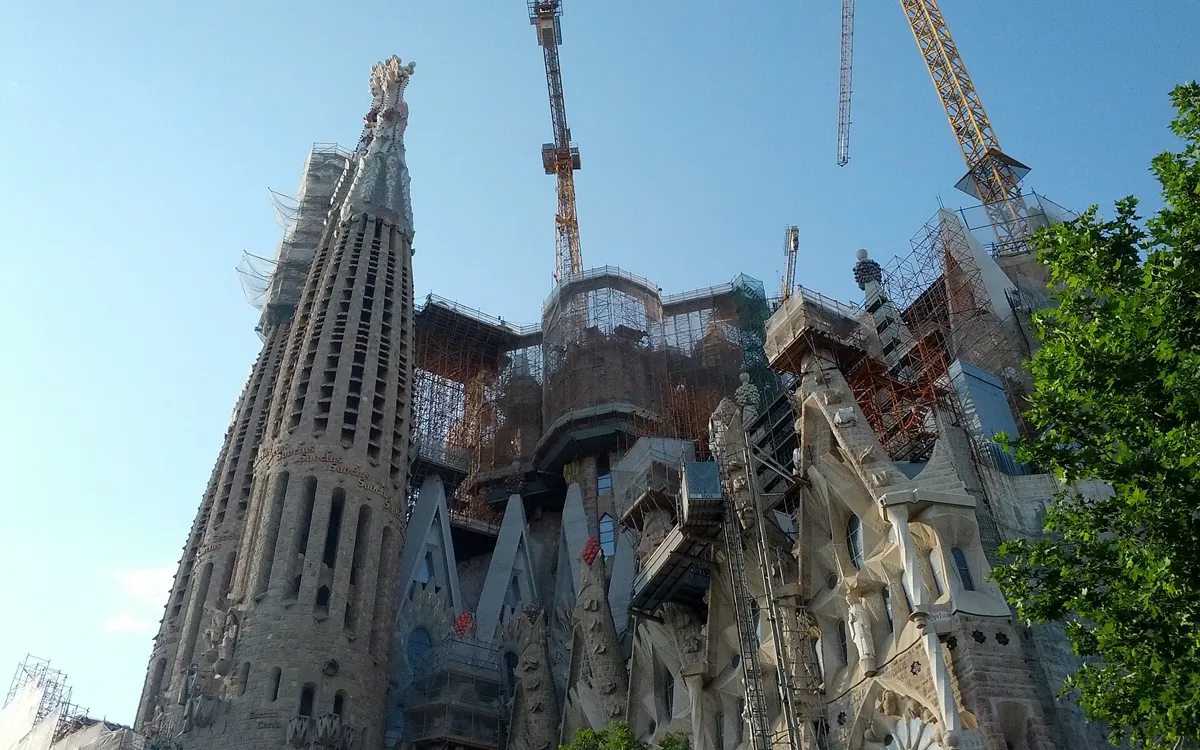
Nobody can give you a tidy figure for Barcelona's great basilica, because it has never had a single budget to overrun — it has been paid for piece by piece, largely through donations and ticket sales, for well over a century. Antoni Gaudí took charge in 1883, a year after the foundation stone was laid, and reimagined it as a forest of stone. When he was hit by a tram in 1926, only around 15 percent of it stood. Worse followed during the Spanish Civil War, when fire in his workshop destroyed many of his plans and models, leaving later architects to reconstruct his intentions from fragments. The builders set 2026, the centenary of his death, as the target for the towering central spire, with finishing work expected to run on for years after that. Its lesson is about time rather than money: a project without a fixed end date quietly becomes a way of life.
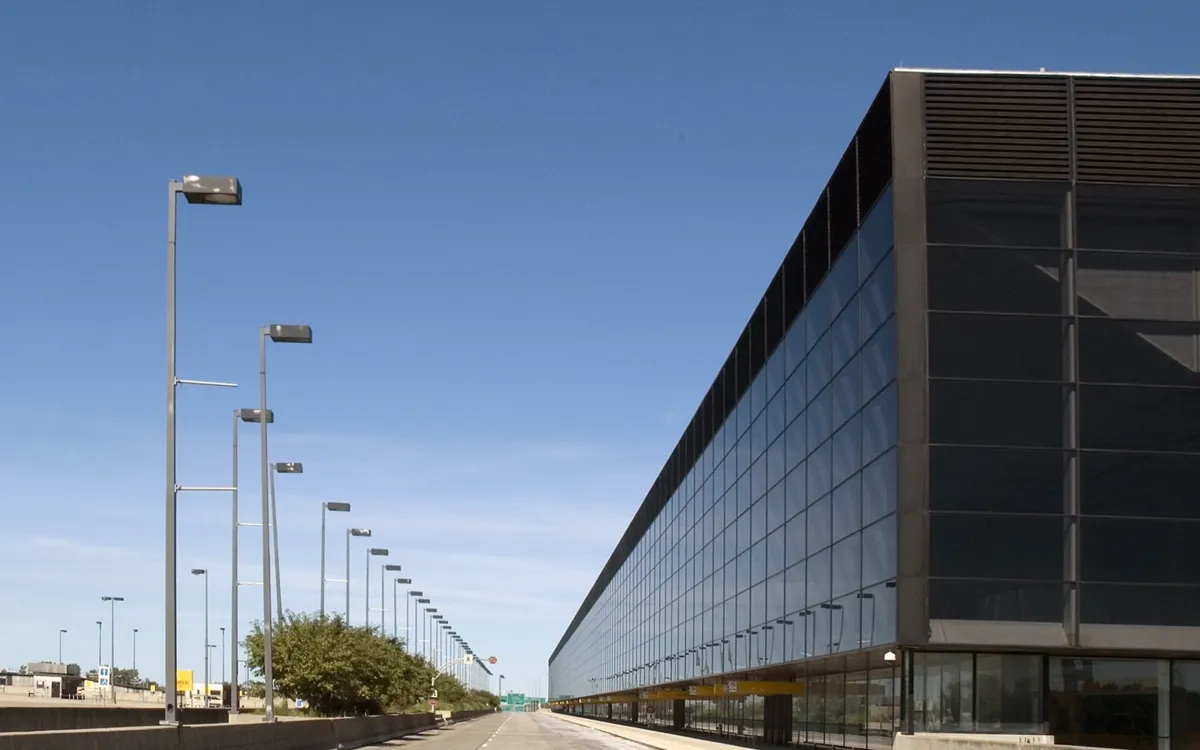
Announced in 1969 as the future gateway to Montreal, Mirabel was planned on a scale the city never grew into. The federal government expropriated close to 100,000 acres of farmland north-west of the city, and the land alone cost about $140 million — roughly eight times what had been set aside for it. The airport opened in 1975 with building costs projected at $276 million, but the promised road and rail links never materialized, so travellers faced a long trip out to a terminal far from anywhere. Airlines drifted back to the older Dorval airport, and scheduled passenger service at Mirabel ended in the early 2000s. Even empty, the terminal reportedly cost around $28 million a year to keep up, and it was finally torn down from 2014. Mirabel is the classic case of a correct building answering the wrong forecast.
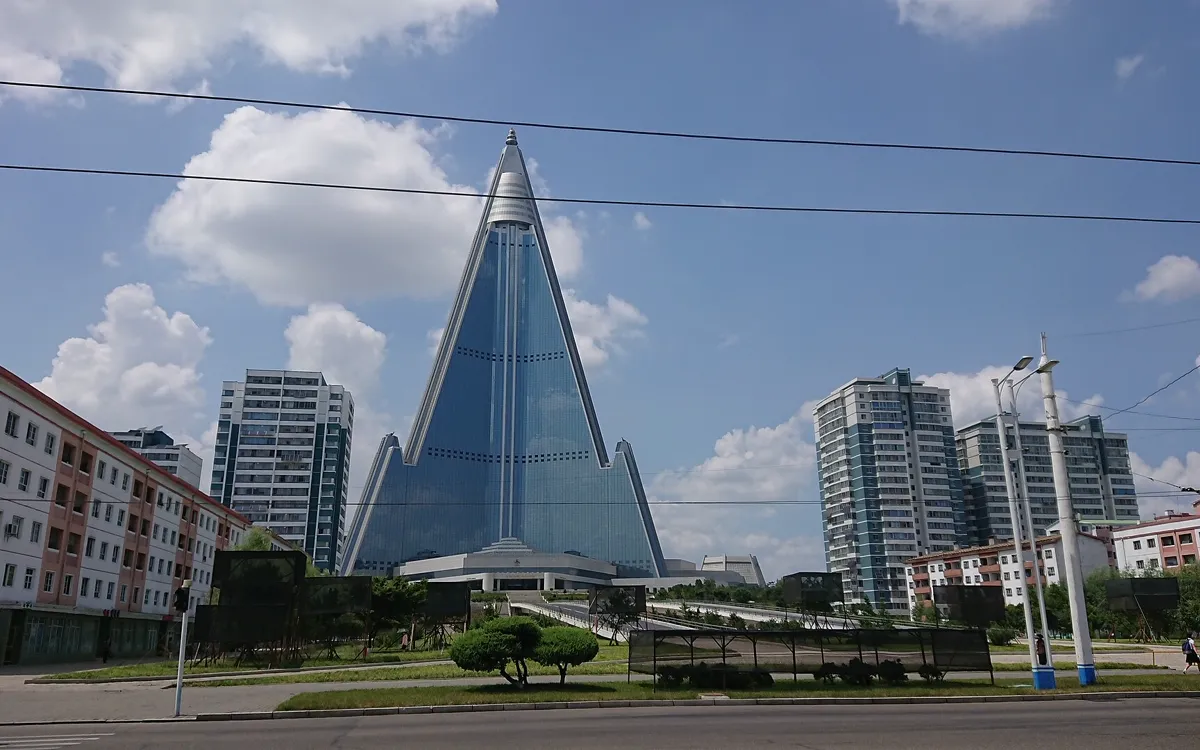
Work on this 105-storey pyramid started in 1987, when North Korea was eager to match the attention its southern neighbour would soon receive as host of the Seoul Olympics. The collapse of the Soviet Union dried up the money in the early 1990s, and the concrete shell stood bare for years. A glass skin was added much later, but the building has never opened to guests. With roughly $750 million reportedly spent, it is often described as the tallest unoccupied building in the world — proof that the most expensive project is sometimes the one that delivers nothing at all.
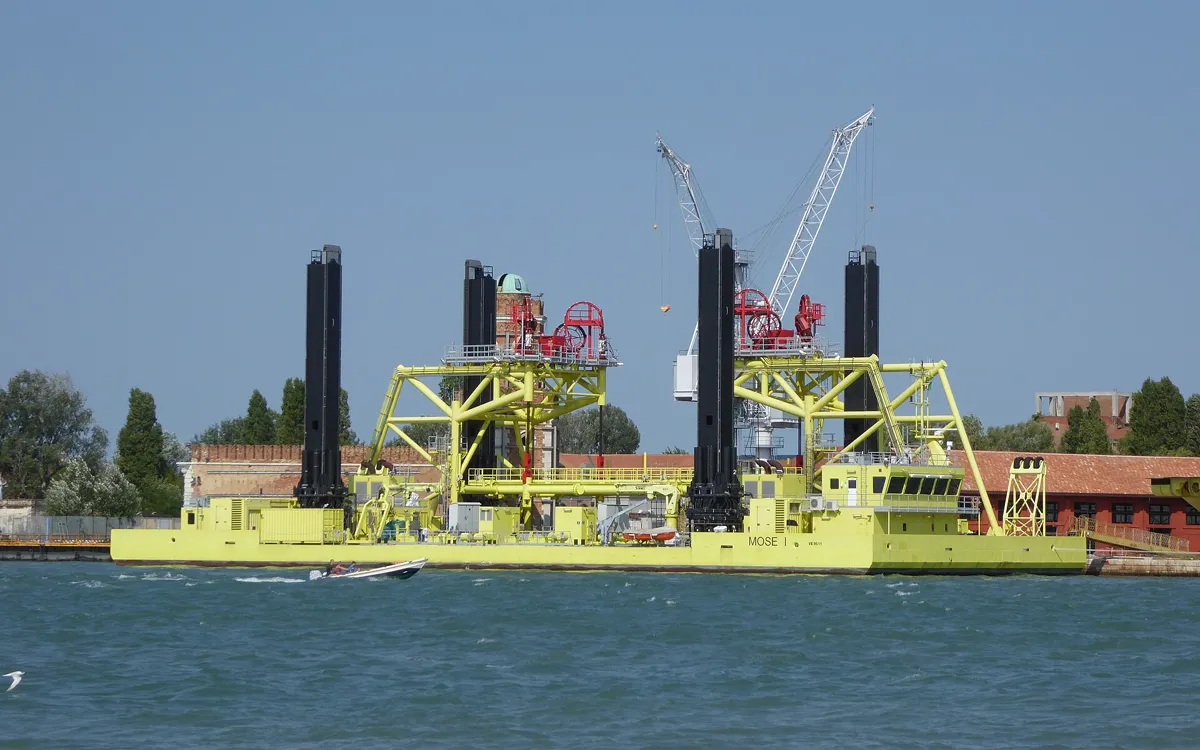
Venice is slowly sinking while the sea slowly rises, and MOSE was the answer unveiled in 1988: 78 hinged steel gates, each weighing up to 300 tons, resting on the seabed at the lagoon's three inlets and rising to seal them off when a high tide threatens. The first estimate was about $1.7 billion (€1.3 billion); the revised figure reached roughly $8.1 billion (€6 billion). Deadlines slid by decades. The project was also tarnished by scandal — in 2014 the city's mayor and dozens of others were arrested in a corruption investigation linked to its contracts. The gates were finally raised against a real tide in 2020.
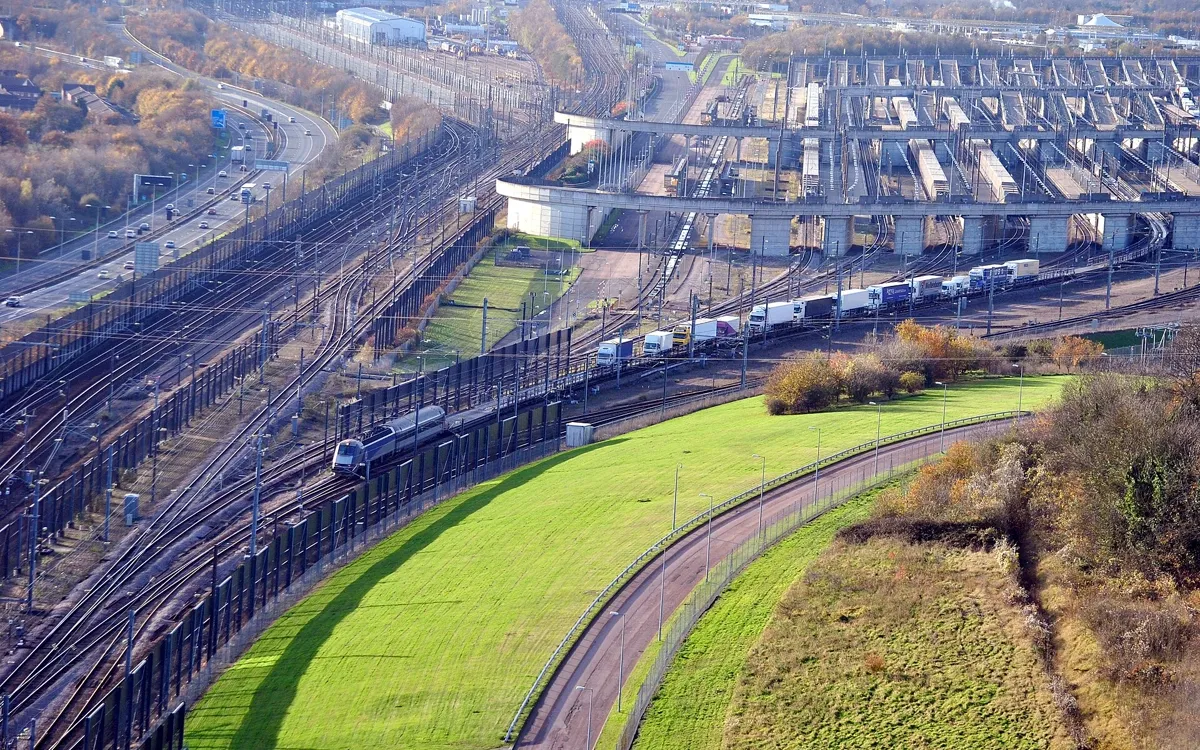
Three parallel bores, 31 miles long, dug beneath the sea in about six years: the engineering was a triumph when the tunnel opened in 1994. The finances were another story. The work came in at about $21 billion, some 80 percent more than projected, and the high-speed line to connect it to London added a further $13.8 billion. Because private investors rather than governments carried the risk, it was shareholders who absorbed the pain; frustrated by years without a return, they ousted the board in 2004, and only after a financial restructuring did dividends appear, around 2009. Today the crossing takes about 35 minutes, and hundreds of millions of passengers have made it.
The engineering can be flawless and the business case still fall apart — the tunnel works; the people who paid for it waited years to see a return.
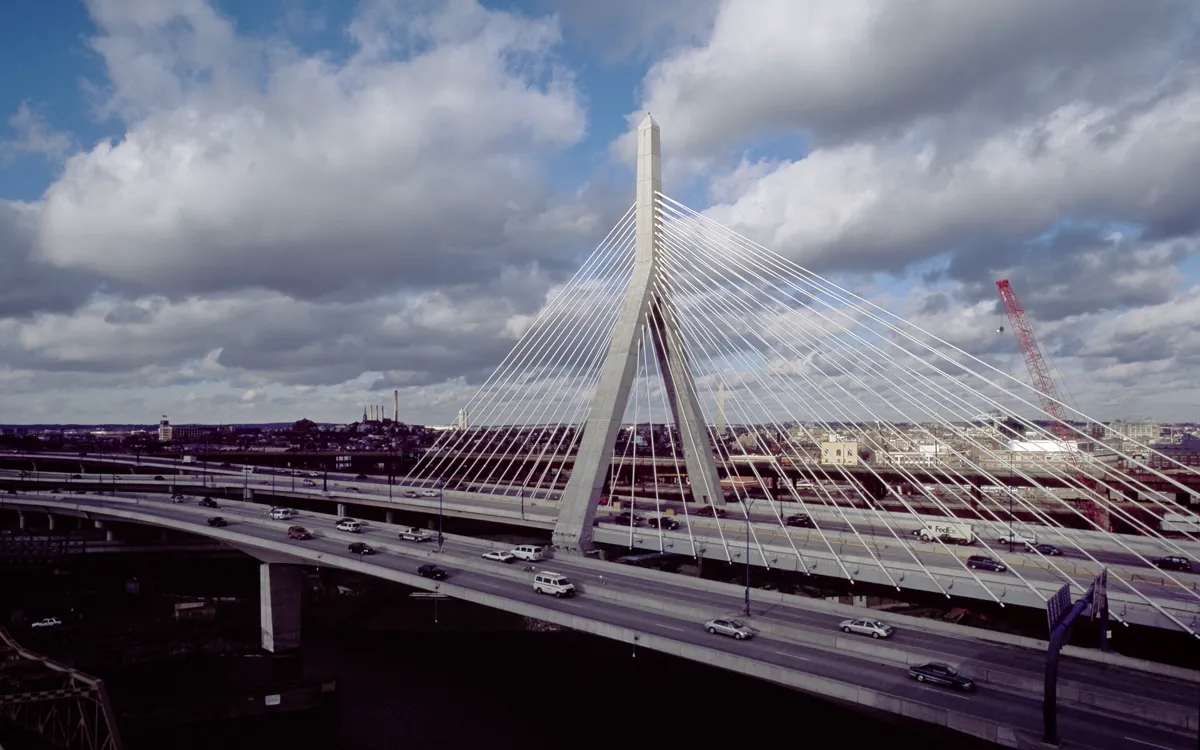
Boston's elevated Central Artery was so congested by the early 1990s that traffic crawled for hours every day, at a cost to the regional economy reckoned in the hundreds of millions of dollars a year. The Central Artery/Tunnel Project, launched in 1991, set out to bury the highway under a living, working downtown — swapping six elevated lanes for eight to ten below ground, and adding the Zakim Bridge over the Charles. The target date was 1998; the work ran to 2007. Against an early estimate of $2.6 billion, about $14.8 billion was spent, and the full bill with borrowing costs is usually put at around $22 billion. The city is quieter, greener and less gridlocked for it — but the price per mile made it a byword for overruns in America.
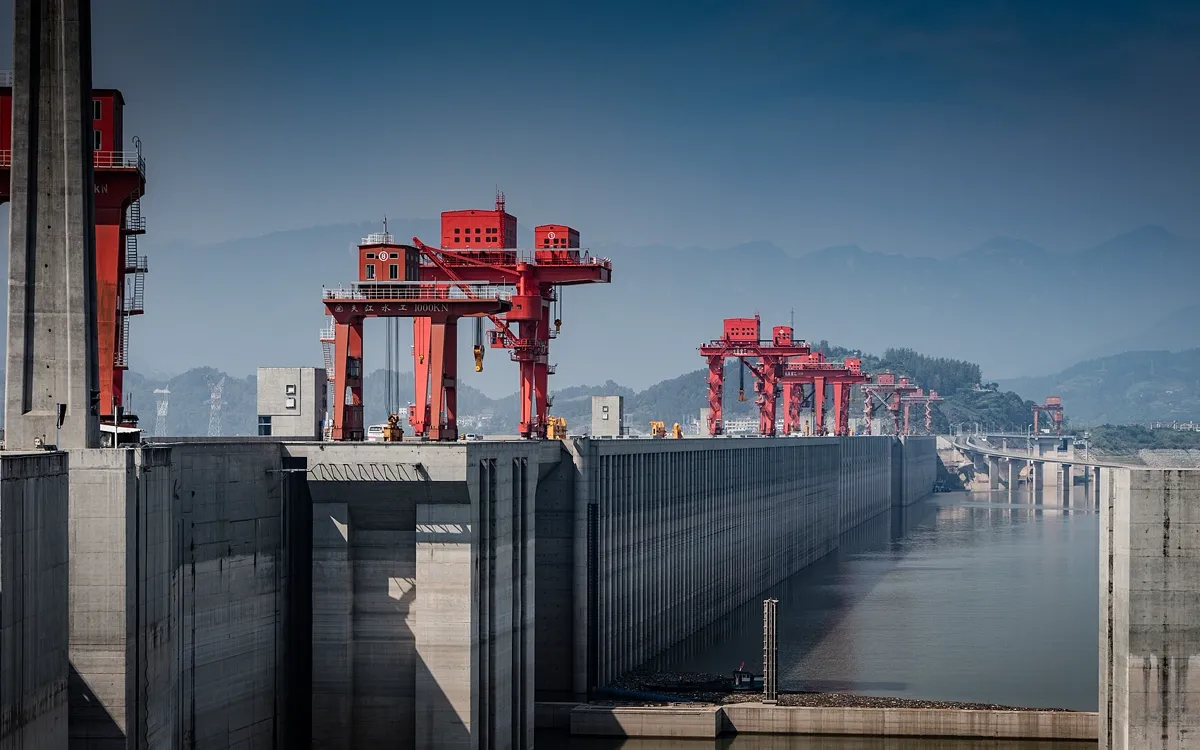
Approved in 1992, the world's largest hydroelectric plant was really three megaprojects in one: a flood-control wall across the Yangtze, a ship-lift and lock system to move vessels past it, and a bank of 26 generators in the original design. The estimate of $8.35 billion grew to about $37 billion. The largest single driver was human rather than technical: the reservoir flooded towns and farmland that were home to some 1.3 million people, all of whom had to be relocated. Environmental costs have followed since, from algae and debris gathering behind the dam to landslide-prone slopes along the new shoreline.
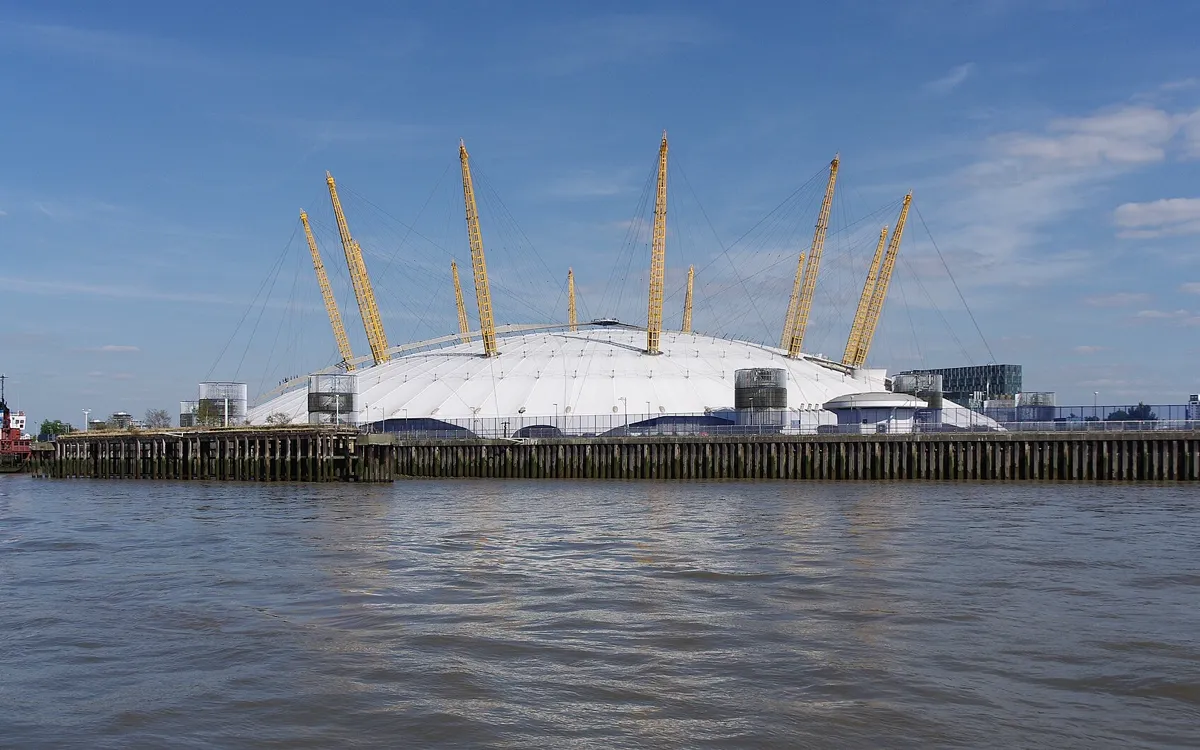
On construction costs alone the Dome barely belongs on this list: it came in at about £789 million against a £758 million budget, an overrun of roughly four percent. Its problem sat on the income side. Built to house Britain's year-long millennium exhibition, it drew far fewer paying visitors than forecast, and the shortfall made it a political embarrassment. The structure then needed a further £600 million or so to become the 20,000-seat O2 arena, which opened in 2007 and has since become one of the busiest live-music venues anywhere. The building was fine all along; it was the business plan that needed rebuilding.
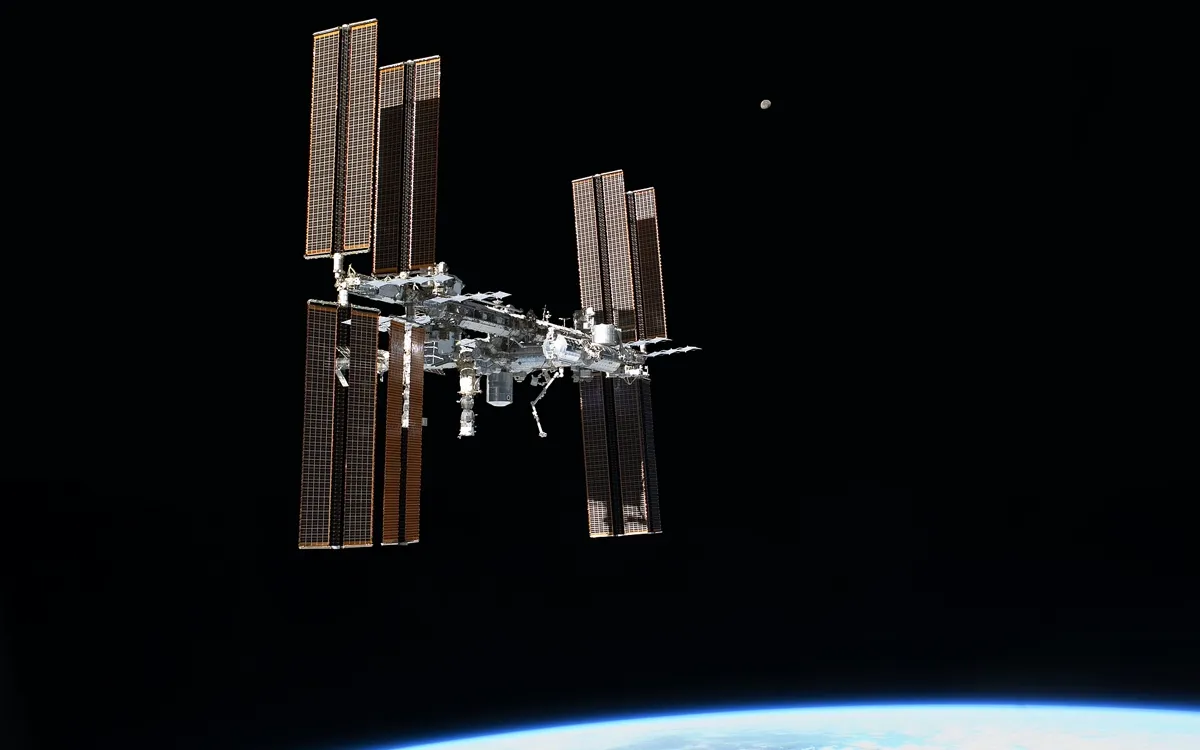
The most expensive thing humans have ever built is not on the ground. The station's partners — the United States, Russia, Europe, Japan and Canada — began assembling it in orbit in 1998, already about four years behind the original plan. An early estimate of $17.4 billion ended up nearer $160 billion, roughly $100 billion of it from the United States, which still spends around $3 billion a year to operate it. Every module had to be launched, docked and bolted together by astronauts, and every delay on the ground rippled up into orbit. NASA currently plans to keep the station flying until 2030.
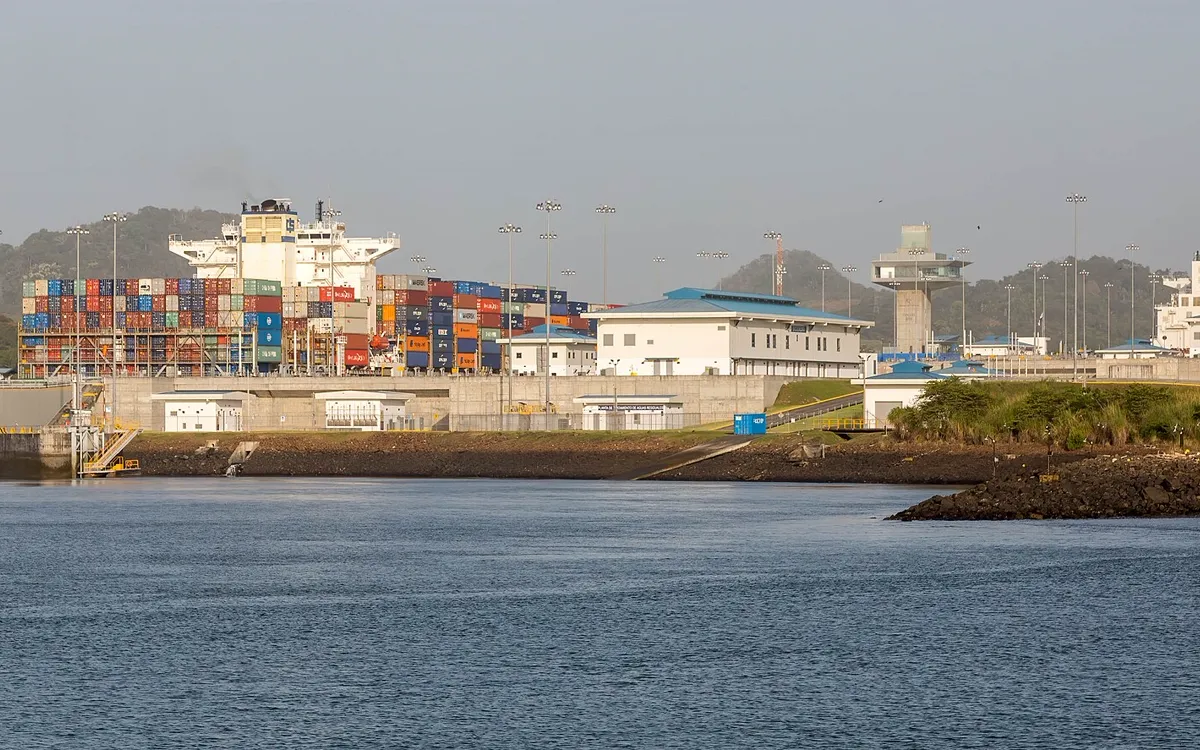
A new set of larger locks was meant to let far bigger ships through the canal and roughly double its cargo capacity. The relationship between the Panama Canal Authority and the European-led construction consortium was strained almost from the start, and in early 2014 a dispute over some $1.16 billion in cost overruns brought work to a halt for around two weeks. Stopgap funding got the crews back on site, and the widened canal opened to commercial traffic in June 2016 — later than the original target, at around $5.3 billion and about 30 percent above early estimates. Of all ten projects here, it is the mildest overrun, and the one whose disputes were argued most openly.
A project without a fixed end date does not overrun its budget so much as outlive it.
The Scorecard
Where a clean before-and-after figure exists, here is how far each project travelled from its first number. Costs are as commonly reported and are not adjusted for inflation.
Project
Estimate
Outturn
Change
Space Station
$17.4B
≈ $160B
+820%
Big Dig
$2.6B
$14.8B
+469%
MOSE
$1.7B
$8.1B
+376%
Three Gorges
$8.35B
$37B
+343%
Channel Tunnel
—
$21B
+80%
Panama Canal
—
$5.3B
≈ +30%
Millennium Dome
£758M
£789M
+4%
Sagrada Família, Mirabel and the Ryugyong Hotel are left out: none has a single comparable estimate and final cost.
Where the Money Goes
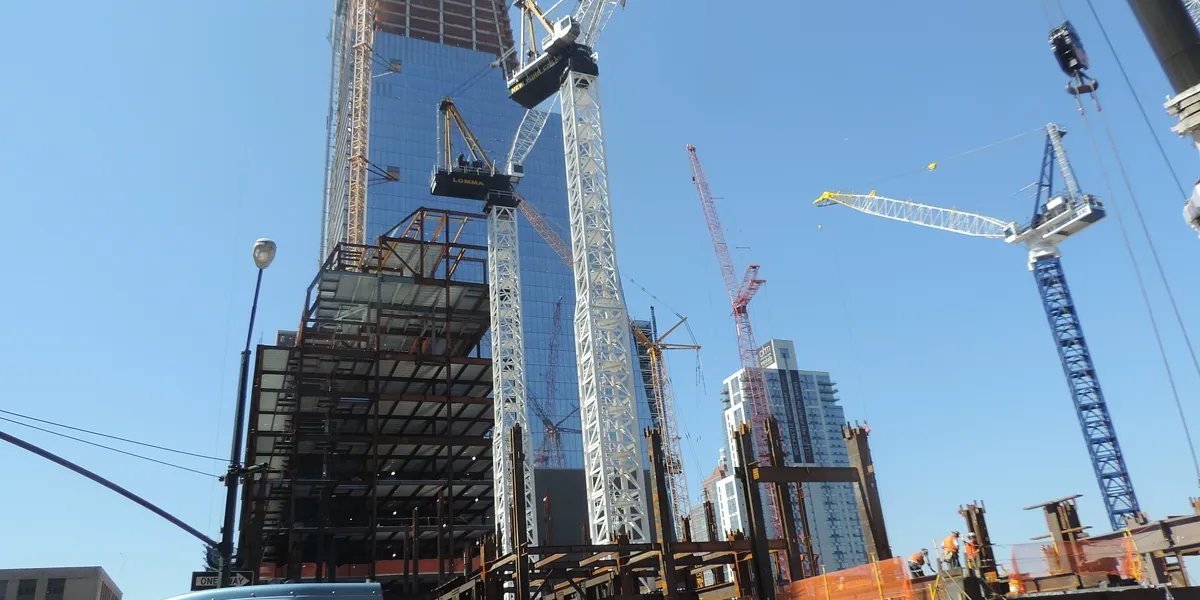
Lay the ten stories side by side and a handful of causes do almost all the damage. The first is people and land. Three Gorges had to rehouse 1.3 million residents; Mirabel paid roughly eight times its land estimate. Clearing a site is rarely the glamorous part of the plan, and it is routinely the part that was costed least carefully.
The second is novelty. Nobody had assembled a laboratory in orbit, bored three tunnels under the Channel or hinged steel gates to the floor of a lagoon before. An estimate written before the method exists is closer to a hope than a forecast. The third is politics and governance: an Olympic rivalry in Pyongyang, a hard millennium deadline in London, a corruption case in Venice, a contract fight in Panama. None of those shows up in an engineer's quantities, and every one of them shows up in the final bill.
Lessons Worth Keeping
The overruns people remember are not always the biggest ones. The Millennium Dome missed its construction budget by about four percent yet became a national punchline, because visitors never came in the numbers promised. The Big Dig cost several times its early estimate, yet much of Boston now regards the result as money well spent. The difference was not how tightly each site was run; it was how honestly each project described its purpose, and its likely users, at the start.
That suggests a better question to ask of any headline budget. Not “will it go over?” — the history above says it usually will — but “why would it go over, and would we still want it if it did?” An overrun caused by ground conditions nobody could see is very different from one caused by a scope that was never pinned down. From the outside the two look identical until the building is finished.
The Last Word
Each project on this list was sold with one number and finished with another — and in Barcelona and Pyongyang, the finishing is still a matter of debate. That gap is less a scandal than a description of what megaprojects are: first attempts, at a scale no one has quite tried before, carried out over years in which prices, politics and priorities all move.
What endures is worth noticing too. The tunnel still carries trains, the dam still generates power, the canal still passes ships and the Dome now sells out concerts. The overrun is paid once; the structure keeps working for generations.
Sources and credits. Cost and schedule figures are drawn from Trimble Construction, “10 Big Budget Buildings That Broke the Bank”, and cross-checked against the corresponding Wikipedia articles. Percentage changes are calculated from the estimate and outturn figures quoted. Published costs for projects of this size vary by source, depending on what is counted. All photographs come from Wikimedia Commons and are credited under each image with their licence. General information only — not professional or financial advice.
1Contact2Result
Get the Next Story in Your Inbox
Leave your email and Prime Consumers will send you new pieces on landmark buildings, big infrastructure and what they really cost.
Occasional emails only. Unsubscribe at any time.
You're in!
Thanks for signing up. New stories will be on their way to you.